japa
-
Příspěvky
358 -
Registrace
-
Přítomen
Typ obsahu
Fórum
Kalendář
Blogy
Vše od uživatele japa
-
generálny prokurátor SR Dobroslav Trnka /zdroj: dnešné HN/

-
jasne, používal Ancre, robil aj pre zásielkové obchody pod "brandom" Meister Anker a pod. ... len sa mi zdá, že v dobách keď si Elton takmer všetko robil "inhouse" je ten tvar púzdra a lunety jasný Prim (aj s tým typickým zošúchaním farby na lunete) a tak. a možno je to skladačka, kto vie...
-
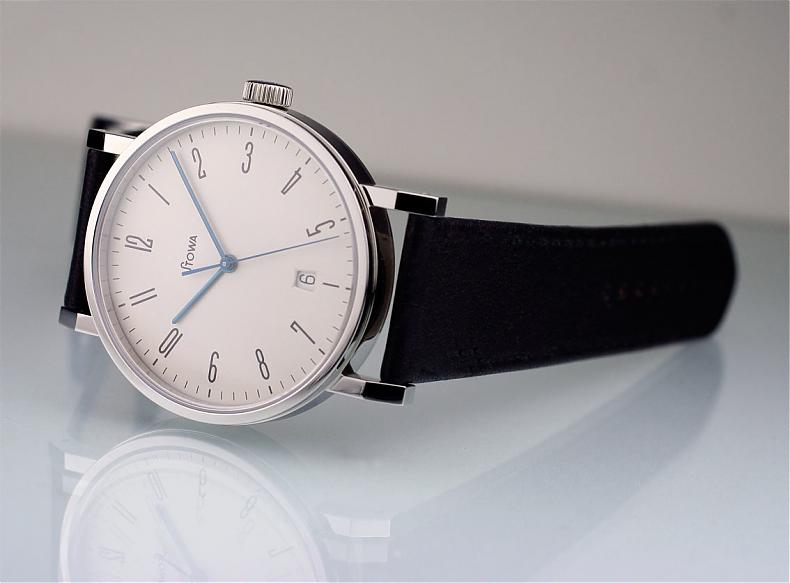
alebo Stowa Antea
-
pekné... krémový ciferník, indexy, day-date, wr 200m = univerzálne hodinky na každú príležitosť!
-
tak to gratulujem!
-
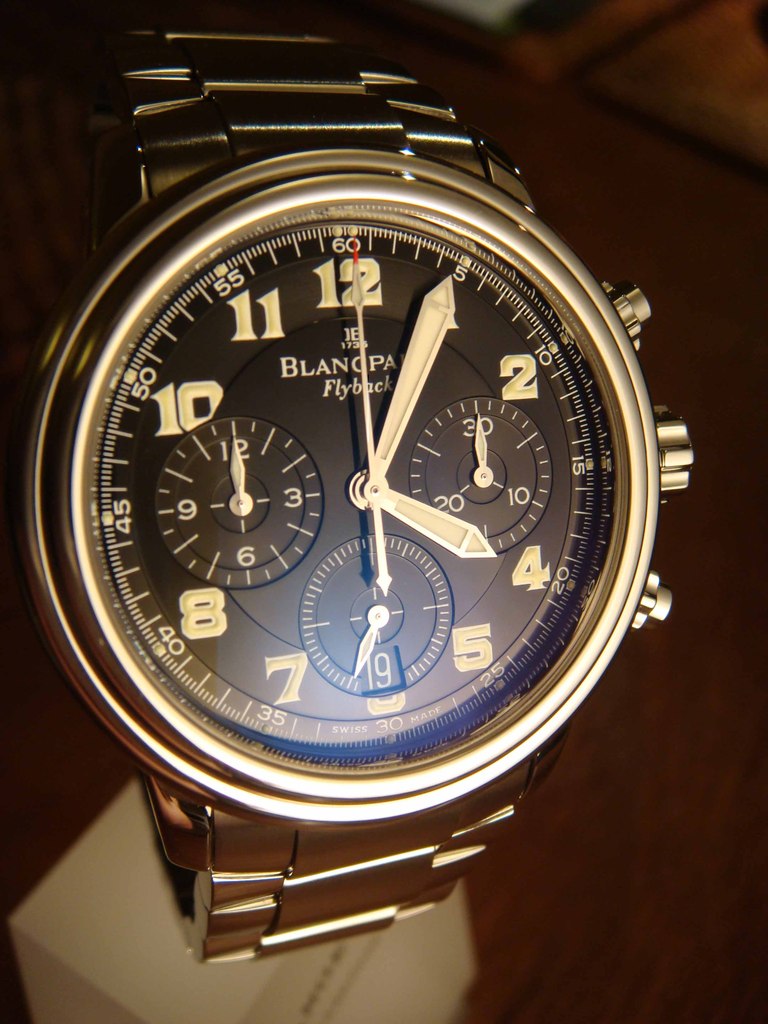
Blancpain Flyback Chrono za 4.250,- Eur
-
tak to je nádhera!
-
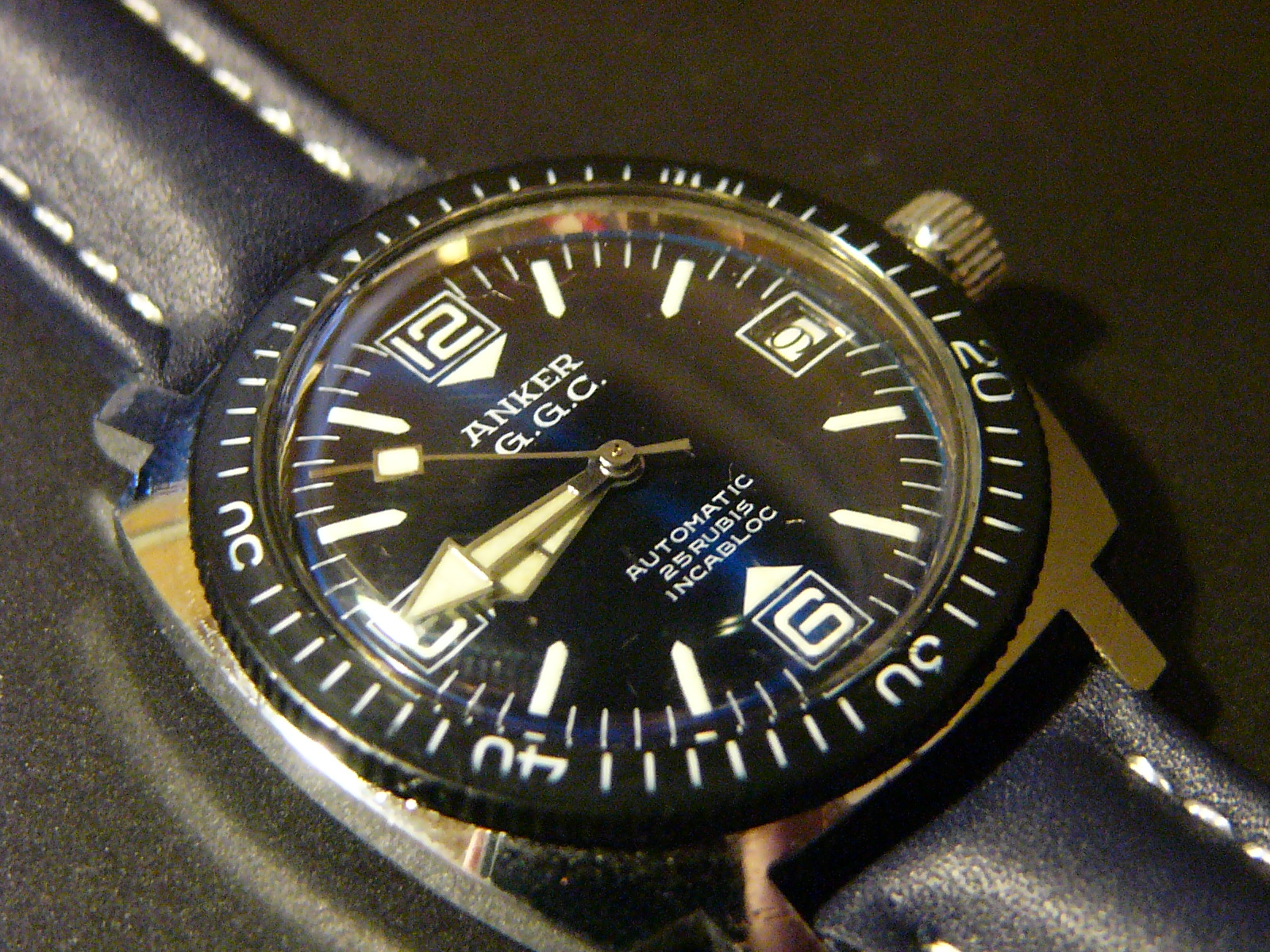
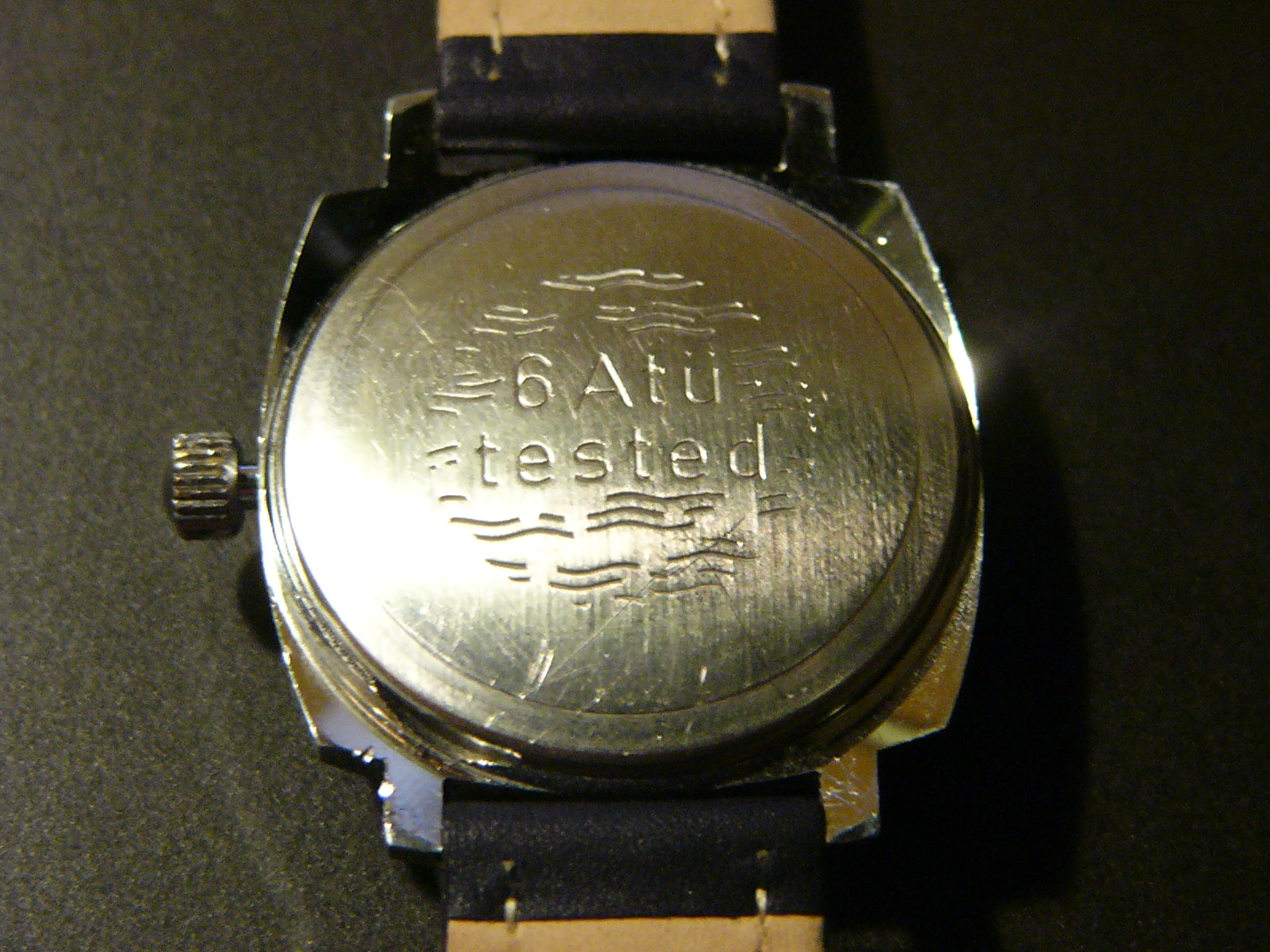
nájdené na Watchlounge púzdro, luneta je à la prim, ale kaliber má 25 kameňov - čiže 96tka to nebude... a čo to G.G.C. v názve?
-
máš recht, na 20tku by boli asi fakt malé
-
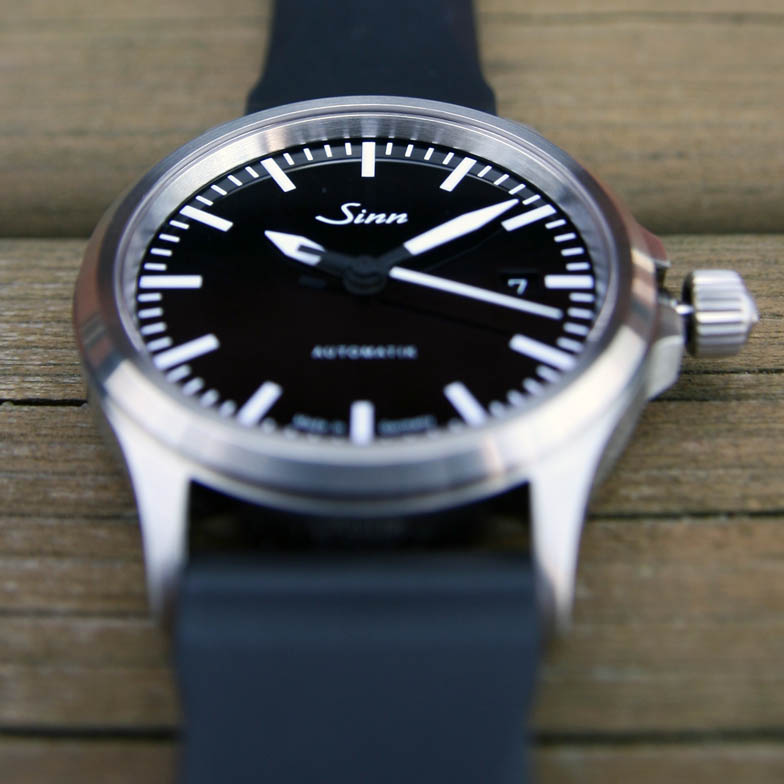
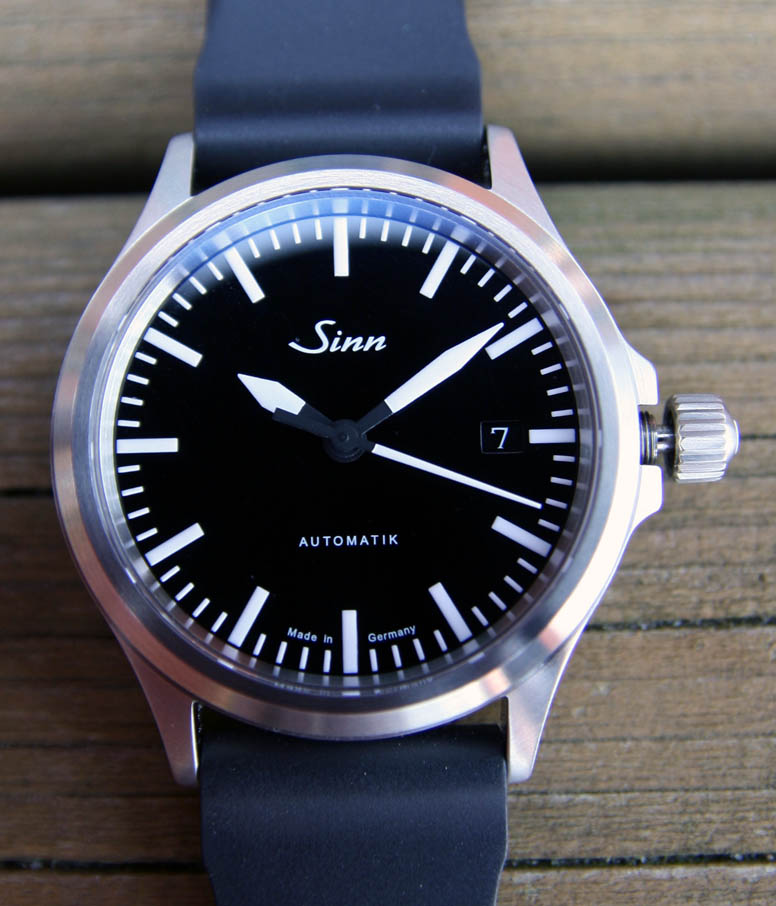
skvelé hodinky. pokiaľ by to malo byť niečo "jednoduchšie" pozrel by som sa aj na model 556 /foto zdroj/
-
výborne napísané a skvelé hodinky
-
tie modrené ručičky (podľa mňa) asi nebudú origo - nesedia k ciferníku a hodinkám ako takým
-
d o k o n a l é ! gratulujem
-
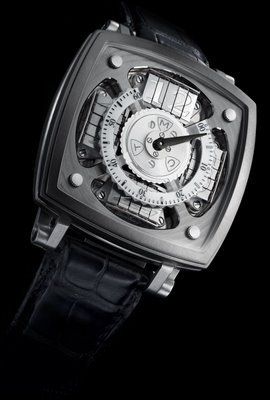
myslím, že môže byť http://watchismo.blogspot.com/: "Denis Giguet, former head of production for Harry Winston Rare Timepieces (& Post-Busser Opus) is about to introduce his first watch from the newly formed independent Manufacture Conteporaine du Temps (MCT). Their first watch, "Sequential 1" has a particularly unique feature of rotating panels revealing the hours with triangular segments. The hours are indicated at four positions on the watch. Each position comprises 5 triangular prisms which rotate clockwise to gently reveal the hour. Critical to the design of the MCT timepiece is the importance of having the numbers 3, 6, 9 and 12 in their correct positions. The operational sequence of ?MCT Sequential 1? is like the points of a compass. At north (the 12 o?clock position), on the relevant hour, the hours 12, 4 or 8 will be displayed. At the West position the numbers 1, 5 ,9 will be revealed, at South 2, 6 and 10 and East the hours 3, 7 and 11 will be displayed. The minute hand and sapphire disc play a very important role. Exactly on the hour the disc is released and rotates in an anti-clockwise direction to reveal the next hour numeral. This instantaneous anti-clockwise rotation of the brushed sapphire disc means that the minute hand is now positioned at zero minutes, ready to begin the next 60 minute journey round the disc. The architectural design of the watch was entrusted to Geneva based Eric Giroud, a specialist in movement architecture (HWRT, MB&F). Eric has designed a masterpiece of complex simplicity with different elements of the watch turning on 3 axis, at precise times with very distinctive movements. The brushed sapphire minute disc has an opacity which clearly displays the minutes but also allows the wearer to appreciate the delicate rotation of the hour prisms." kaliber: automatický náťah, 475 dielov, 58 šutrov, rezerva 40h.

-
tak ako hovoríš - má certifikovanú 2824ku, pri osadení do púzdra mu na želanie nenamontovali sekundovku
-
stručné info o firme: Lanco was the brand name of the Uhrenfabrik Langendorf SA, located in Langendorf, Switzerland, right in the middle of the Solothurn Canton. A certain family Kottmann from Solothurn (Langendorf isn't far) set up industrial production in 1842 there, and in 1873 a chicory factory was rebuilt to make ebauche for other companies, using between 70 and 80 workers. However, the company did not do well and almost collapsed in 1880. The number of workers had been drastically reduced and there were severe problems with alcoholism and absenteeism, such that the Kottmann family started putting up housing and training of their workers. In the middle of 1880, just before the company would have been liquidated, Kottmann was able to import specialists from western Switzerland, who were able to turn the company around. Orders flowed in, and production was expanded strongly. The company was considered to be a very socially oriented company, building schools, a hydrant system and financing the installation of electric lights in Langendorf, as well as putting up significant amounts of low-cost housing. He also founded the local "Verein" or club, which is still operating today. From 1887 onwards production was deepened and the company became largely independent of suppliers. Towards the end of the 1880s it was considered to be the largest clock factory in the world. Karl Kottmann died in 1890 and the technical director, Lucien Tieche, took over the company. From this point on the company sold its products also under its own name (not Lanco, but Langendorf). In 1902 one of the Kottmann family took over the company once again. The company started using the name Lanco (for Langendorf Company) sometime in the 1960s. The company remained in family hands until 1964. A group of employees took over the company under the guidance of Guido Kottmann, and the company joined a conglomerate of watch makers (Schweizerischen Gesellschaft für Uhrenindustrie AG) in the face of weakening business in 1965. In 1971 Lanco was merged into the Omega-Tissot Group, and production ended in 1973. /zdroj/
-
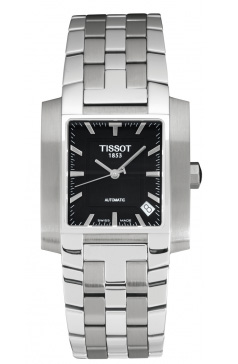
Tissot, modelový rad TXL
-
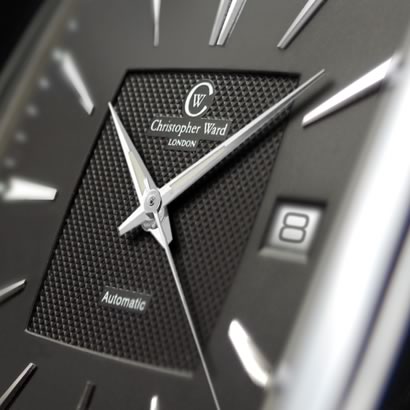
všade uvádza Chris Ward London, Swiss made ergo - určite je viac swiss než UK edit citát: Christopher Ward uses only the finest components and materials. Our watches are designed by myself in England and then hand assembled by fine watchmakers at our dedicated workshop in the famous Bernese Jura watchmaking region of Switzerland.
-
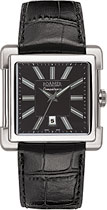
Roamer Compétence Carré Ref.-Nr.: 101551 41 55 01
-
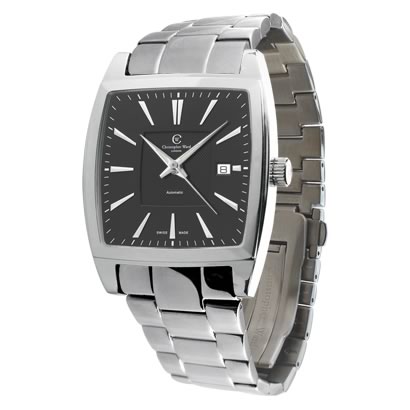
swiss made s výbornou cenou - Christhoper Ward C15 Henley Automatic
-
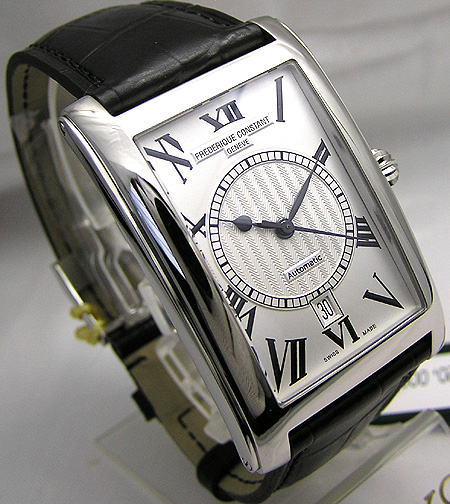
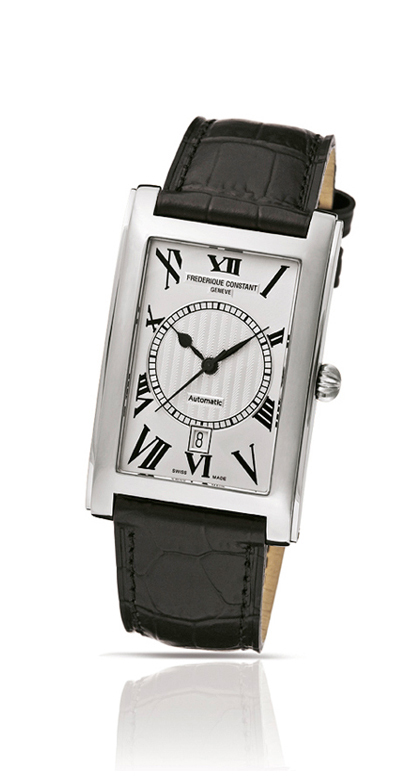
ešte by som sa mrkol aj na modely Frederique Constant Carree, do limitu by sa mali zmestiť a ťah by tiež nemal byť problém
-
zaujímavé informácie sú aj na tejto stránke. z obsahu vyberám: The German standard is similar to the international ISO norm adhered to at COSC in Switzerland, but differs in two important ways: 1) DIN 8319 prescribes testing in which the time is set with to-the-second accuracy; 2) the caliber is tested inside of its real case rather than inside a temporary case for later installation. Thus, the German system seems even more precise because the whole watch is certified; caliber installed exactly as the customer would receive it rather than just the movement itself.
-
pokiaľ ti nemčina nerobí problém: Die strengen Kriterien der DIN 8319, nach der das LMET und das SLME prüfen, schreiben eine 15-tägige Kontrolle vor. In den fünf Lagen ?Krone links?, ?Krone oben?, ?Krone unten?, ?Zifferblatt oben? und ?Zifferblatt unten? muss der mittlere tägliche Gang zwischen -4 und +6 Sekunden liegen, wobei die mittlere tägliche Gangabweichung zwei Sekunden und die größte Gangabweichung fünf Sekunden nicht überschreiten darf. Alle Uhren werden bei Temperaturen von 23°C, 8°C sowie 38°C und bei einer Luftfeuchtigkeit von ca. 50% geprüft. Nach jeweils 24 Stunden wird die Abweichung gemessen und die Werke werden aufgezogen. Am zehnten Tag der Prüfungen werden eventuell vorhandene Komplikationen eingeschaltet, um deren Verhalten auf die Ganggenauigkeit zu kontrollieren. Eine Besonderheit der deutschen Norm ist, dass die Uhr sekundengenau einstellbar sein muss und das Uhrwerk den Testgang nicht separat, sondern komplett im Gehäuse montiert durchläuft, um eventuelle Abweichungen auszuschließen. zdroj: http://www.chronometerwerke-glashuette.de/bereich3-sb1.htm vo všeobecnosti je nemecká certifikácia hodnotená vyššie ako COSC.
-
v reáli to neprejde ani u toho svetlého
-
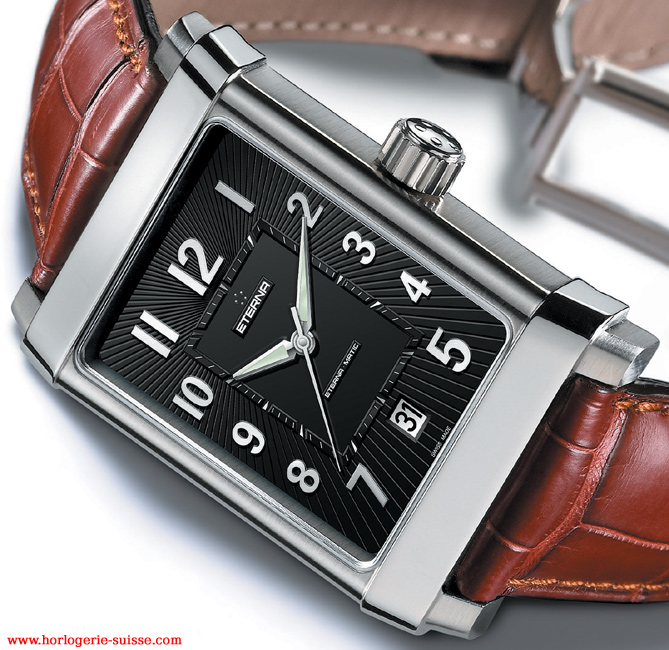
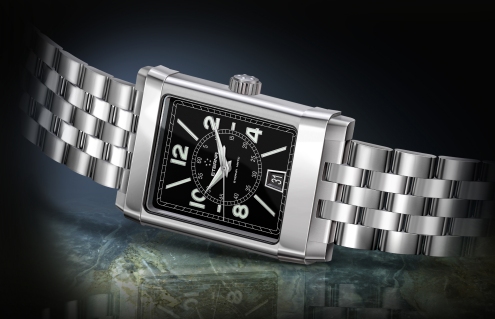
presne ako píšeš, ETERNA je dobrá voľba a ceny vo Viedni (ale napríklad aj v Belehrade) sú dosť zaujímavé